Hanwell funeral flowers disposal guidelines and council fines
Posted on 04/10/2026
Hanwell funeral flowers disposal guidelines and council fines: a practical local guide
If you are dealing with Hanwell funeral flowers disposal guidelines and council fines, you are probably already managing a lot. Grief, timing, family expectations, chapel arrangements, and the simple question of what to do with the flowers afterwards can all land at once. It sounds small, but it often isn't. Funeral flowers can be left at a cemetery, church, crematorium, or graveside, and each place may have its own rules about removal, composting, binning, or keeping tributes in place for a set period.
This guide explains the practical side of disposal, what usually causes problems, and how council fines can arise if tributes are left in the wrong place or disposed of improperly. We'll keep it plain-English and local-minded, because that is what people need in a moment like this. No fluff. Just sensible guidance, a few useful checks, and the kind of detail that helps you avoid a stressful misunderstanding later on.
Quick takeaway: funeral flowers are usually handled by the venue, cemetery, crematorium, or family agreement - but once they become waste, they may need to be removed in line with local rules. If in doubt, ask before you leave them.
- Why the rules matter
- How funeral flower disposal usually works
- Why following the guidance helps
- Who needs to think about it
- Step-by-step guidance
- Expert tips
- Common mistakes
- Tools and practical resources
- Compliance and best practice
- Comparison of disposal options
- Real-world example
- Checklist
- Conclusion
- Frequently asked questions
Why Hanwell funeral flowers disposal guidelines and council fines Matters
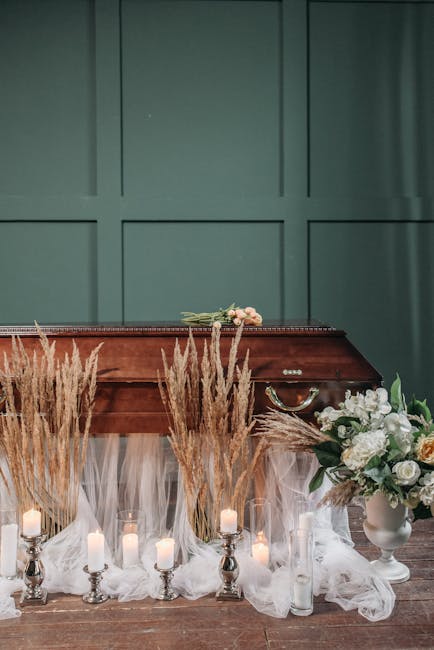
Funeral flowers are not just decoration. They are part of a farewell. A wreath on a coffin, a posy by the graveside, or a spray from close friends can carry real meaning, and people often assume they can be left exactly where they were placed. In practice, that is not always the case.
Local authorities, cemeteries, crematoriums, and churchyards generally want memorial spaces to stay tidy, safe, and respectful. If flowers are left to rot in the wrong area, block access, attract pests, or create litter, they may be removed as waste. That is where the issue of council fines can come in. To be fair, most people do not set out to cause a problem. It usually happens because nobody told them what the local rule was.
The concern is not only about money. It is also about timing and dignity. A family may return a week later expecting to see a tribute still in place, only to find it cleared away. That can feel upsetting, especially when emotions are already raw. So the point of guidance is not bureaucracy for its own sake. It is to protect the ceremony, respect the venue, and avoid avoidable friction.
In Hanwell, as in much of London, the practical realities matter: shared public spaces, local waste rules, narrow access points, and busy cemetery grounds all shape what is acceptable. A small misunderstanding can become a complaint, and a complaint can turn into a fixed penalty or removal charge if the council decides waste has been fly-tipped or improperly placed. Nobody wants that. Not on a day like that.
How Hanwell funeral flowers disposal guidelines and council fines Works
The phrase sounds more complicated than the process usually is. Most of the time, it works like this: the funeral flowers are delivered, displayed, used during the service, and then either taken home, collected by the family, removed by the venue, or disposed of by a permitted waste route. The exact pathway depends on where the service takes place and who has responsibility for the site afterwards.
Here is the basic logic:
- At a church, cemetery, or crematorium: the site manager may set a collection window for tributes.
- At a private residence or memorial event: the family may decide whether to keep, gift, compost, or bin the flowers.
- At public land or roadside memorials: there may be stricter limits on how long flowers can remain in place.
If flowers are left where they are not permitted, the issue can shift from memorial care to waste management. That matters because councils treat waste left in public places differently from tributes in designated memorial areas. In plain terms, if a bouquet is placed somewhere and then abandoned, it may be classed as litter or fly-tipping. That is where fines can enter the picture.
One detail people often miss: the condition of the flowers matters less than the location and permission. A beautiful wreath can still be considered waste if it is dumped in a bin store, on grass not approved for tributes, or beside a public path after collection dates have passed. The flower itself may be lovely; the placement may still be wrong. Bit of a harsh line, but that is how local enforcement tends to think.
If you are ordering funeral flowers for Hanwell, it is wise to check the venue's policy before the service. A good florist will also understand how different tribute styles are usually handled. For example, a funeral flowers Hanwell W7 order may suit a church service differently from a crematorium tribute or cemetery arrangement. Likewise, a more general sympathy gift may be easier to bring home or redistribute, depending on family preference, such as a sympathy arrangement.
Key Benefits and Practical Advantages
Following disposal guidance may not feel like a big win in the moment, but it saves trouble later. In our experience, the best outcomes are usually the quiet ones: no misunderstandings, no awkward questions, and no one having to sort out a complaint while still grieving.
- Protects the memorial space: clean, tidy tributes are easier for everyone to manage.
- Reduces the risk of fines: proper disposal means less chance of a council or site enforcement issue.
- Supports dignity: flowers are handled in a way that feels respectful, not rushed.
- Helps families plan ahead: everyone knows what will happen after the service.
- Makes recycling or composting easier: the flowers can often be separated from plastic, ribbons, and foam.
There is also a practical benefit people overlook: clear disposal guidance prevents disputes between relatives. One person may want to keep the tribute at home, another may prefer to leave it at the grave, and someone else might simply want the whole thing gone. Having a plan avoids that awkward family moment where everyone is quietly looking at each other, nobody wanting to say the wrong thing.
If you are choosing a tribute style, it can help to think about what happens afterwards. A structured wreath or spray is often easier to manage than an arrangement with lots of mixed packaging. For a service where placement and later removal matter, a dedicated tribute from the funeral range, such as funerals or a more specific wreaths option, may suit the occasion better than a casual bouquet. That is not a rule, just a sensible preference in many cases.
Who This Is For and When It Makes Sense
This guidance is useful for anyone arranging or receiving funeral flowers in Hanwell. That includes family members, close friends, funeral directors, florists, churchwardens, crematorium staff, and even people sending sympathy flowers from another area who may not know the local arrangements.
It makes sense to pay attention if any of the following apply:
- You are planning a funeral or memorial service in Hanwell.
- You are ordering flowers for a cemetery, church, crematorium, or graveside.
- You need to know whether tributes can stay in place after the service.
- You are worried about council enforcement or site rules.
- You want to avoid leaving packaging, plastic, or damaged floral foam behind.
This is also relevant for people sending flowers from outside the area. A relative in another part of London, or even further afield, may assume the recipient will know what to do. Sometimes they do. Sometimes they really, really don't. If you are sending flowers for a funeral and want them delivered in a respectful way, it helps to choose a service that understands local timing and site expectations, such as flower delivery Hanwell W7 or same day flower delivery Hanwell when time is tight.
For families arranging multiple tributes, it may also make sense to split responsibilities. One person can confirm with the venue, another can coordinate delivery, and another can handle the flowers after the service. Small division of labour. Makes life easier, honestly.
Step-by-Step Guidance
If you want to avoid confusion, this is the simplest way to approach funeral flower disposal in Hanwell.
1. Confirm the venue's rules before the service
Ask whether flowers can remain in place after the ceremony, whether they will be moved to a designated area, and who is responsible for clearing them. Some venues allow tributes for a set period; others prefer immediate removal.
2. Decide who owns the tribute after the service
This sounds obvious, but it matters. Is the floral tribute staying with the family, going to the graveside, being collected by the florist, or left for site staff to dispose of? If nobody owns the next step, the flowers can easily end up stranded in limbo.
3. Remove non-biodegradable items
Cards, wire frames, plastic sleeves, ribbon anchors, cellophane, and floral foam should be separated where possible. A bouquet may look simple from the outside but can contain materials that are not suitable for composting or general green waste.
4. Sort the flowers by disposal route
Where suitable, fresh stems can be composted or placed in green waste. Mixed arrangements with foam or metal may need separate handling. Wilted flowers from a grave or memorial site may need to be bagged and removed as waste rather than left to decay in public view.
5. Follow the site's collection window
If the cemetery or crematorium gives you a time limit, respect it. Even if the tribute still looks fine, leaving it beyond the agreed window can make it subject to removal. That is one of the quickest ways to create an avoidable issue.
6. Keep a record if you are unsure
For funeral directors, florists, or family organisers, it can help to keep a quick note of what was agreed: date, collection point, and who is responsible. Nothing elaborate. Just enough to avoid a "who was meant to do that?" conversation later on.
If you are choosing flowers with disposal in mind, look at the structure of the arrangement. For example, a compact sympathy basket may be simpler to move than a large memorial piece. A tribute such as sympathy flowers or tributes can be easier to manage when the service is over, especially if the venue has a strict clear-up policy.
Expert Tips for Better Results
There are a few small details that make a big difference. These are the things people only learn after doing this a couple of times, or after seeing one well-meaning plan go a bit sideways.
- Choose biodegradable where possible: paper, natural ribbon, and minimal plastic are easier to dispose of responsibly.
- Ask for a removable base: some designs are simpler to lift, carry, or compost.
- Avoid over-packaging: the extra wrapping that looks lovely on delivery day can be a nuisance afterwards.
- Think ahead about transport: if flowers are coming home, make sure the car boot or back seat will cope.
- Use labels if several tributes are arriving: families often receive multiple arrangements, and matching them to senders saves time.
One practical tip that saves a lot of hassle: if the flowers will be left at a graveside, choose a design that is sturdy and not too top-heavy. A windy day in a cemetery can undo a careful arrangement in minutes. You know the kind of day - a bit grey, a bit breezy, and the ribbon behaves as if it has other plans.
If you want a tribute that feels elegant without being difficult to handle, a specialist piece from a sympathy or funeral range can be a better fit than a general bouquet. Options like letter tributes or heartfelt sympathy posy are often chosen for precisely that reason: clear purpose, clear shape, easier aftercare.
Common Mistakes to Avoid
The mistakes here are rarely dramatic. They are usually small, human, and easy to miss. That is what makes them annoying.
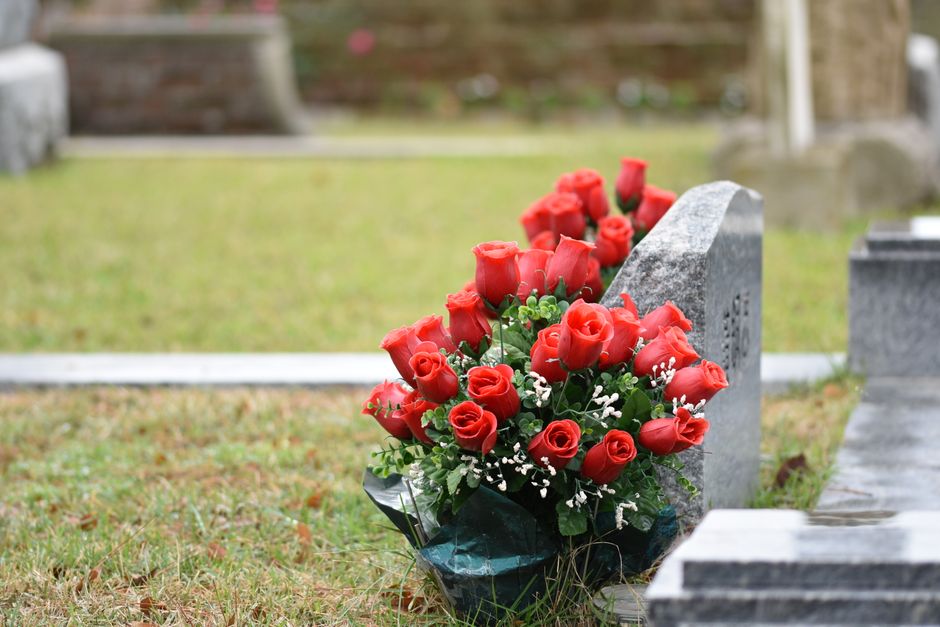
- Assuming the flowers can stay forever: memorial spaces usually have set rules, even when nobody mentions them out loud.
- Leaving packaging behind: cellophane, tape, tags, and foam do not disappear politely on their own.
- Placing tributes in the wrong bin: some sites separate green waste, general waste, and memorial rubbish.
- Not checking responsibility: if nobody confirms who removes the flowers, everyone may assume someone else will.
- Dumping old tributes on nearby land: this can be treated as littering or fly-tipping, which is exactly the sort of thing that can trigger a council fine.
A common misunderstanding is thinking that because flowers are natural, disposal is always simple. Not quite. The stems may be natural, but the arrangement often includes wires, foam, adhesives, or plastic wraps. That combination matters, especially if the flowers are being taken to a public or managed site.
Another mistake is not thinking about timing. Flowers that look beautiful on day one can start to deteriorate quickly in warm weather. By day three or four, they may need removal sooner than expected. A service at midday followed by a sunny afternoon can change the picture fast.
Tools, Resources and Recommendations
You do not need specialist equipment to handle funeral flower disposal well, but a few simple items help. Nothing glamorous. Just practical.
- Scissors or floral shears: for removing ribbon, ties, and long stems.
- Gardening gloves: useful if arrangements are damp or have been outside.
- Refuse sacks or compostable bags: for separating waste correctly.
- Labels or notes: to keep track of who brought what.
- A shallow box or tray: useful if families want to bring flowers home first.
As for recommendations, the best one is simple: choose a florist who understands funeral work and local delivery timing. A florist that regularly handles florist Hanwell W7 orders is usually better placed to advise on suitable styles, handover timing, and tribute types. If you need something with the right tone, you can also browse a dedicated flower shop in Hanwell W7 rather than relying on a generic arrangement that may not fit the setting.
For those arranging on a budget, it is still possible to be respectful without overspending. A modest design can be just as thoughtful as a large one. A sensible starting point might be a smaller condolence arrangement or a straightforward tribute from the funeral range, rather than adding lots of extras that only complicate disposal later.
Law, Compliance, Standards, or Best Practice
When people mention council fines, they are usually talking about waste left in an unauthorised place, a memorial that has become unmanaged, or a breach of local site rules. The exact enforcement approach can vary, and it is best not to assume one single rule applies everywhere in Hanwell. Councils, cemetery operators, crematoriums, and churchyards may each have their own procedures.
In general, the sensible compliance principles are:
- Do not abandon flowers in public spaces: if there is no permission to leave them, don't.
- Follow site instructions: if a cemetery or crematorium gives a removal date, treat it as real.
- Dispose of waste properly: separate green material from packaging where possible.
- Avoid creating litter or obstruction: pathways, gates, and memorial access points should stay clear.
- Use approved collection points: if the venue provides a bin, skip, or green waste area, use it as intended.
Best practice also means being realistic about the setting. A public memorial space is different from a family garden. A churchyard is different from a private wake. A graveside tribute is different from flowers delivered to a home after the service. The respectful approach changes a little in each place.
If you are arranging flowers for a larger ceremony, it helps to brief anyone helping you. Tell them what to do after the service, where the flowers should go, and what should be removed. That tiny bit of clarity can prevent a lot of confusion. And yes, it really can be that simple.
Options, Methods, or Comparison Table
There is no single right way to dispose of funeral flowers. The best method depends on the location, the type of arrangement, and the wishes of the family. Here is a practical comparison.
| Method | Best for | Pros | Watch-outs |
|---|---|---|---|
| Leave in designated memorial area | Cemeteries, crematoriums, approved church spaces | Respectful, simple, usually expected | May only be allowed for a limited time |
| Collect and take home | Family keepsakes, home memorials | Personal, controlled, no site disposal issue | Requires transport and vase care |
| Green waste / composting | Natural stems with minimal packaging | Environmentally sound, practical | Not suitable for foam or heavy plastic |
| General waste disposal | Mixed materials, damaged tributes | Handles non-compostable parts safely | Should still be done discreetly and correctly |
| Florist collection | Pre-arranged service and venue returns | Convenient, tidy, less pressure on family | Needs planning and a clear collection point |
For many families, a florist collection or venue-managed removal is the least stressful option. For others, taking flowers home is comforting, especially if the arrangement includes cards or sentimental items. The right answer is usually the one that fits the family's emotions and the site's rules at the same time.
If you are ordering with the disposal route in mind, a smaller, easier-to-move tribute can help. For instance, a compact basket, posy, or sympathy spray may be simpler than a sprawling arrangement. In the Hanwell area, a number of funeral-specific designs are available, including sprays and baskets and posies, both of which are often practical choices when a venue has clear collection rules.
Case Study or Real-World Example
Picture a fairly typical Hanwell service on a cool Friday morning. The family has ordered a coffin spray, two wreaths, and a few sympathy bouquets from friends who could not attend in person. The service is held at a local venue with a memorial area that allows tributes to remain until the following afternoon.
At the end of the service, everyone is emotional, a bit distracted, and no one wants to be "the person asking about the flowers". Fair enough. The funeral director explains that the main wreaths can stay overnight, but packaging should be removed immediately. One bouquet is taken home by a close relative because it includes handwritten cards. Another is handed to the venue team for collection.
The key thing here is that someone asked early. That one small conversation avoids a later scene where flowers are left beside a bin, or worse, placed in an unsuitable public spot because nobody was sure what to do. The family also avoids the awkwardness of a sudden clean-up charge or complaint. Nobody has to play detective later.
In cases like this, planning the tribute style beforehand helps. A more formal arrangement from the funeral range, such as heartfelt condolences wreath or peace and prayers wreath, tends to work well because it is visually appropriate and easier to manage after the service. You can still make it personal. You just don't end up wrestling with wrapped plastic and loose foam while everyone is trying to say goodbye.
Practical Checklist
Before the service:
- Confirm the venue's flower removal policy.
- Ask who is responsible after the ceremony.
- Check whether tributes can stay overnight or longer.
- Choose a flower design that suits the disposal route.
- Tell relatives what will happen to the flowers.
On the day:
- Keep a note of where each tribute came from.
- Remove obvious packaging where possible.
- Store cards separately if they are meant to be kept.
- Make sure nothing is blocking access paths.
After the service:
- Collect or deliver flowers according to the plan.
- Use green waste, compost, or general waste correctly.
- Do not leave tributes in public places without permission.
- Check the venue again if anything is unclear.
Final quick check: if you would not leave the item there after a normal private event, do not assume you can leave it there after a funeral. The emotion is different, but the site rules usually are not.
Conclusion
Hanwell funeral flowers disposal guidelines and council fines may sound like a narrow topic, but it sits right at the intersection of grief, respect, and practical responsibility. When flowers are handled properly, they do what they are meant to do: honour someone's life without creating a problem for the family or the venue afterwards.
The simplest approach is also the best one. Check the venue rules, choose a suitable arrangement, separate packaging from natural materials, and make sure everyone knows who is responsible after the service. That is often enough to avoid confusion and keep things dignified.
If you are arranging flowers now, take a breath, ask the question you are unsure about, and make the plan clear. It can save money, time, and a lot of unnecessary stress. And in a moment like this, a little clarity goes a long way.
Get a free quote today and see how much you can save.
Frequently Asked Questions
Can funeral flowers be left at a grave in Hanwell?
Sometimes, yes, but only if the cemetery or graveyard allows it. Many sites have rules on how long flowers can remain and what type of tribute is acceptable. Always check before leaving anything behind.
What happens if flowers are left where they are not allowed?
They may be removed by site staff or treated as waste. In some situations, if they are left in a public place or dumped improperly, this can lead to enforcement action or a council fine.
Do council fines apply to all funeral flowers?
No. The issue is usually not the flowers themselves, but where and how they are left. Fines tend to arise when tributes are abandoned, become litter, or are placed in an unauthorised area.
Can funeral flowers be composted?
Many fresh flowers can be composted if packaging, wires, and foam are removed first. If the arrangement contains a lot of non-biodegradable material, it may need different disposal.
Should I ask the cemetery or crematorium before the funeral?
Yes, absolutely. It is one of the best ways to avoid confusion later. Ask how long flowers can stay, whether there is a collection point, and who is responsible for removal.
What is the best type of funeral flower arrangement for easy disposal?
Compact tributes, wreaths, sprays, and basket-style arrangements are often easier to handle than large displays with lots of packaging. The best choice depends on the venue and the family's wishes.
Can I take funeral flowers home after the service?
Yes, if the family wants to keep them and the venue allows removal. Many people do this with sympathy bouquets or arrangements that include cards they want to preserve.
What should I do with cards attached to funeral flowers?
Separate them before disposal if the family wants to keep them. Cards are often the most meaningful part of the tribute, and it is easy to forget them in the rush after a service.
Are artificial funeral flowers treated differently?
Usually, yes. Artificial flowers generally cannot go in green waste and may need to be handled as general waste or kept for reuse, depending on the venue's rules.
How do I avoid upsetting the family when removing flowers?
Be gentle, communicate clearly, and ask what they want kept. A brief conversation before the service is much better than making assumptions afterwards.
Is it better to choose a florist that knows local funeral rules?
Definitely. A florist familiar with Hanwell and nearby venues is more likely to advise on tribute styles, timing, and what happens after the service, which makes everything less stressful.
What if I am not sure whether the flowers count as waste?
If the tribute is still being used in the service or stays in a designated memorial area, it may not count as waste yet. Once it is abandoned or no longer permitted on site, it usually needs proper disposal.